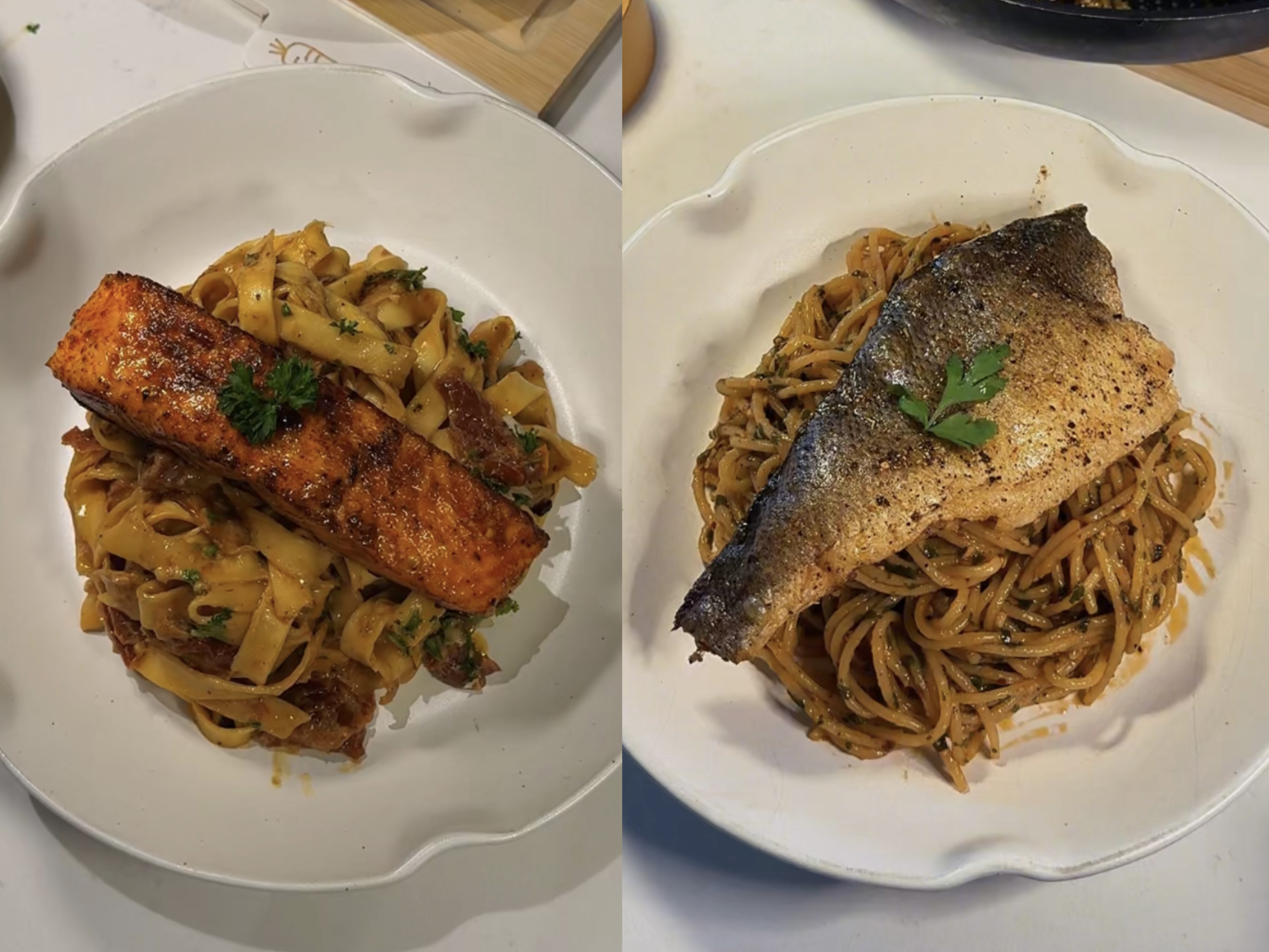
Pasta is one of those meals that can be incredibly simple but still feel really special when it's done properly.
A good pasta dish isn't usually about adding loads of ingredients. It's more about getting the little things right, like cooking the pasta properly, building your sauce in the pan and knowing when to add pasta water.
These are the tips I come back to when I want a pasta dish to feel a little more restaurant-style without making it overly complicated.
1. Salt your pasta water properly
Your pasta water is the first opportunity you have to season the pasta itself.
If the water is barely salted, the finished dish can taste flat even if your sauce is full of flavour.
You don't need to make the water unbearably salty, but it should taste noticeably seasoned before the pasta goes in.
2. Use a large enough pan
Pasta needs enough room to move around while it cooks.
If the pan is too small and the pasta is packed together, it can stick and cook unevenly.
A larger pan also makes it easier to keep the water at a steady boil once the pasta has been added.
3. Don't overcook the pasta
Pasta is usually at its best when it still has a little bite to it.
If you're planning to finish the pasta in the sauce, take it out of the water slightly before it's completely done.
It will continue cooking in the pan with the sauce, and that extra minute or two helps the pasta absorb more flavour.
4. Save your pasta water
This is one of the easiest things you can do to improve a pasta sauce.
Before draining your pasta, scoop out a mug of the cooking water and keep it nearby.
The starch in the water helps loosen the sauce while also helping it cling to the pasta.
Add a little at a time until the sauce looks glossy and coats the pasta properly.
5. Finish the pasta in the sauce
Rather than putting plain pasta onto a plate and spooning sauce over the top, finish the pasta directly in the pan.
Add the drained pasta to the sauce and toss everything together over the heat.
This gives the pasta time to absorb some of the flavour and helps the sauce coat every piece properly.
It also gives you a chance to adjust the consistency with a splash of pasta water before serving.
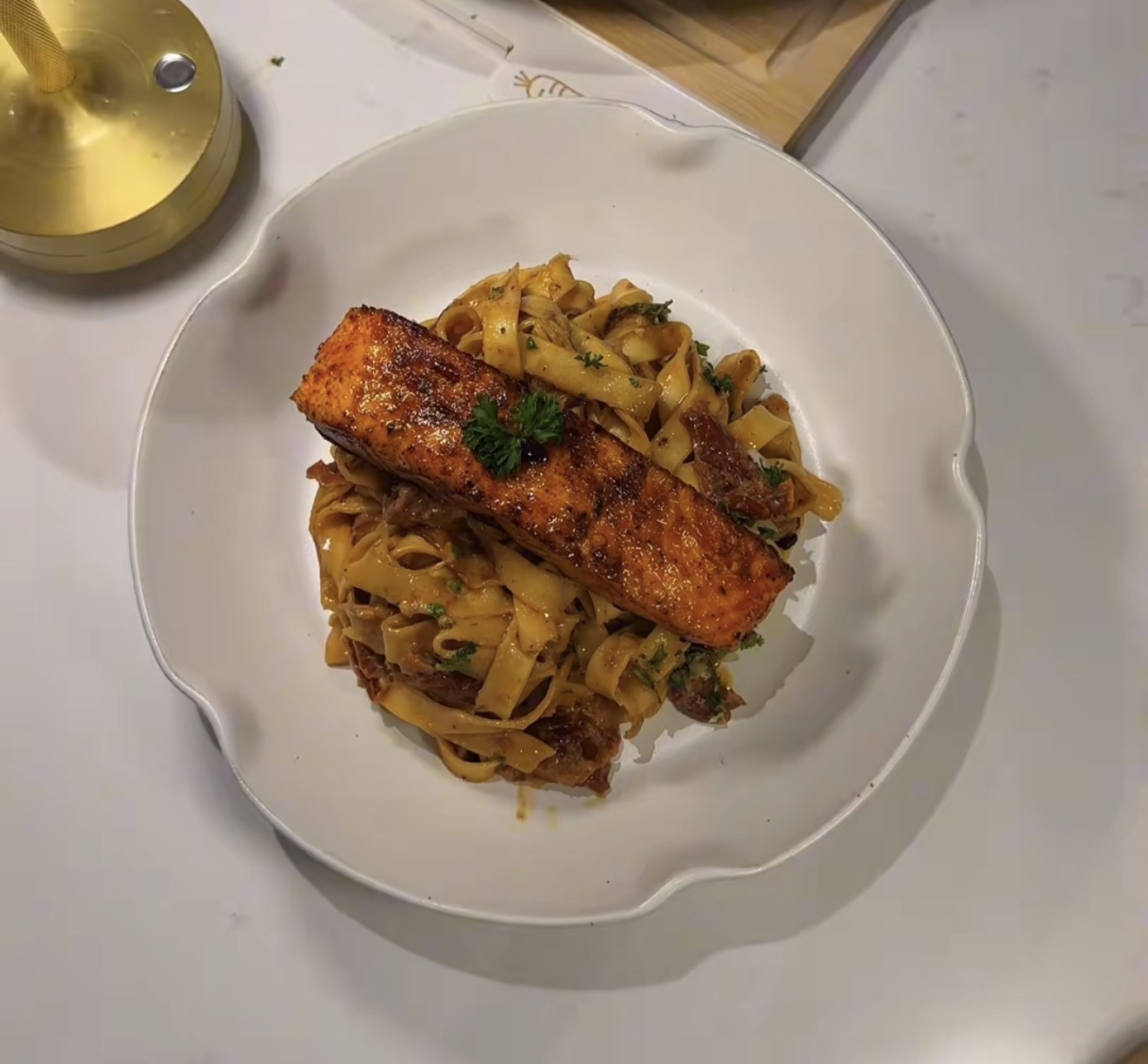
Try this recipe
Caramelised Onion Salmon Tagliatelle
Creamy tagliatelle with caramelised onion, sun-dried tomatoes and golden salmon for the perfect cosy pasta dinner.
View recipe →
6. Build flavour before adding cream
If you're making a creamy pasta sauce, don't rely on cream to do all the work.
Start with ingredients that add flavour first, such as garlic, onions, herbs, tomato paste, sun-dried tomatoes or spices.
Let those ingredients cook properly before adding the cream.
The finished sauce will have much more depth and won't just taste rich for the sake of being rich.
7. Add cheese at the right time
Parmesan and other hard cheeses can make a pasta sauce taste incredible, but the timing matters.
If the pan is far too hot when the cheese goes in, it can become clumpy rather than melting smoothly into the sauce.
Lower the heat slightly and stir the cheese through gradually.
A little pasta water can help bring everything together into a smooth, glossy sauce.
8. Balance rich sauces with something fresh
Creamy pasta can be delicious, but it can also become heavy quite quickly.
Adding something fresh or slightly acidic helps balance the richness.
Lemon juice, fresh herbs, tomatoes, rocket or even a little chilli can completely change the finished dish.
You don't need much. Sometimes a small finishing touch is enough.
9. Don't forget about texture
A restaurant-style pasta dish usually has more going on than just soft pasta and sauce.
Think about adding something with a different texture, like crispy breadcrumbs, toasted nuts, seared salmon, crispy chicken or grated parmesan on top.
That contrast makes the dish much more interesting to eat and also makes it look better on the plate.
10. Plate it while it's hot
Pasta waits for nobody.
Once the sauce is glossy and the pasta is properly coated, get it onto the plate straight away.
Creamy sauces especially can thicken quickly as they sit.
If the pasta has tightened up before serving, loosen it with a tiny splash of pasta water and toss it through again.
How do you make pasta sauce look glossy?
That glossy finish usually comes from getting the balance of sauce, fat and pasta water right.
Butter, olive oil, cheese and starchy pasta water can all help create that smooth finish.
The key is adding liquid gradually rather than pouring loads in at once.
Keep tossing the pasta until the sauce coats it rather than pooling at the bottom of the pan.
Why does my creamy pasta sauce get too thick?
Creamy sauces naturally thicken as they cool, so they can look perfect in the pan and then become much thicker a minute later.
Keep some pasta water nearby until the very end.
If the sauce starts feeling too heavy, add a small splash and toss everything together again.
It's much easier to loosen a sauce than rescue one that's been drowned in too much liquid.
My biggest tip? Keep it simple
The best pasta dishes don't need twenty ingredients.
Cook the pasta properly, season as you go, build flavour in the sauce and use your pasta water.
Once those basics are right, even a really simple pasta dish can feel special.
And if you finish it with parmesan, fresh herbs and something beautifully golden on top, even better. 🤍
Ready to bake?
Browse more Made By Lai J baking recipes for cakes, cosy bakes and something sweet for your next baking day.
Browse recipes →